I Do a Big Walmart Haul Every Year: 10 Things I Never Skip
Big annual Walmart hauls have become a practical habit for many U.S. households trying to stay ahead of rising costs. With food-at-home prices still a central concern for family budgets, shoppers often use one large trip each year to lock in basics, replace worn household goods, and buy long-lasting items in bulk.
The strategy matters because Walmart remains the country’s largest grocer, serving millions of shoppers each week, and its pricing can influence how families plan spending. In list after list from budget-minded consumers, the same kinds of products tend to show up: pantry staples, paper goods, cleaning supplies, and a few personal care essentials that are easier to buy all at once than replace every month.
Rice
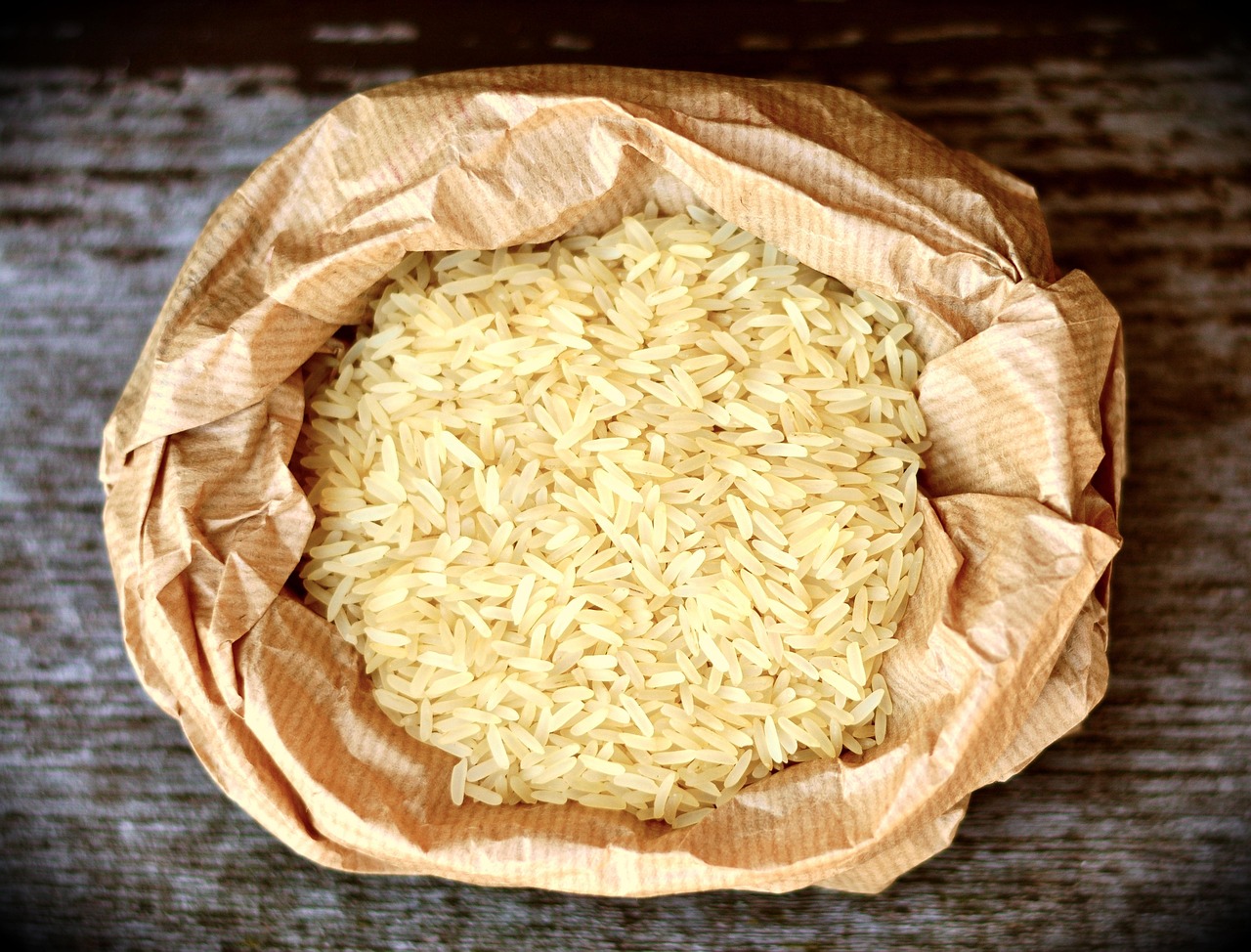
Rice is one of the easiest items to justify in a once-a-year Walmart haul because it stores well, feeds a lot of people, and works across dozens of meals. Large bags are commonly priced lower per pound than smaller packages, making them a standard choice for shoppers trying to stretch grocery dollars over time. For many households, rice is not a specialty buy. It is a core pantry item used weekly.
Its value also comes from flexibility. Rice can anchor quick dinners, packed lunches, side dishes, soups, and casseroles without requiring expensive add-ons. White rice in particular has a long shelf life when kept dry and sealed, which makes it especially practical for an annual stock-up. Brown rice is also popular, though shoppers often buy it in smaller amounts because of its shorter storage window.
Walmart’s broad grocery footprint has made it a regular stop for this kind of pantry planning. A shopper doing one major haul can compare house-brand and name-brand options in the same aisle and decide whether paying more for a preferred type is worth it. The point of the purchase is not novelty. It is reliability.
That is why rice often makes the never-skip list. It is affordable, filling, and useful in every season. In a yearlong shopping plan, few items check as many boxes as a staple that can sit quietly in the pantry until needed.
Pasta

Pasta is another annual-haul favorite because it is inexpensive, easy to store, and familiar to nearly every U.S. household. Boxed spaghetti, penne, rotini, and elbow macaroni regularly appear on stock-up lists because they can support quick meals for singles, couples, and large families alike. When shoppers are trying to cut down on weekly grocery runs, shelf-stable meal starters become more valuable.
One reason pasta stays on the list is that it pairs with low-cost pantry ingredients many people already keep on hand. A box of pasta can become dinner with jarred sauce, canned tomatoes, butter, shredded cheese, or frozen vegetables. That versatility matters when food prices fluctuate and households are looking for meals that do not require a long list of fresh ingredients.
There is also a budgeting advantage in buying several boxes at once. The unit cost tends to stay low, and Walmart’s store-brand options often appeal to shoppers looking to trim spending without changing eating habits. For families with children, pasta is often considered a safe buy because it is widely accepted and easy to prepare in large portions.
In practical terms, pasta earns its place because it solves a recurring problem: what to make on a busy night. During a once-a-year haul, shoppers are not only buying food. They are buying convenience they know they will use months later.
Canned tomatoes and beans

Canned tomatoes and beans are staples that many shoppers refuse to skip because they support low-cost cooking all year. Diced tomatoes, crushed tomatoes, black beans, pinto beans, kidney beans, and chickpeas can turn into soups, chili, tacos, pasta sauces, and casseroles with little effort. In a large Walmart haul, these are often the products that quietly carry weeknight meals.
Their appeal is tied to both price and shelf stability. Unlike fresh produce, canned goods can sit for months without much planning, which makes them especially useful for households trying to reduce waste. If a family is buying for the long term, dependable shelf life matters almost as much as sticker price. These items also make it easier to cook from scratch without starting from zero.
For shoppers focused on value, canned beans can provide a lower-cost protein option compared with meat-heavy meal planning. Tomatoes, meanwhile, add flavor and volume to recipes in every season, even when fresh tomatoes are expensive or out of peak quality. Walmart’s grocery scale means shoppers can usually choose between multiple sizes and price points during one trip.
That combination of convenience and utility is why canned tomatoes and beans make the annual haul list so often. They are not glamorous purchases, but they are among the most useful. In a year of meal planning, they tend to prove their worth over and over again.
Cooking oil and basic spices

Cooking oil is one of those products many shoppers do not think much about until they run out, which is exactly why it becomes a priority during a major Walmart trip. Whether households use vegetable oil, olive oil, or canola oil, it is a kitchen basic that supports daily cooking. Buying a larger bottle once can be easier than replacing smaller ones throughout the year.
Basic spices tend to follow the same logic. Garlic powder, onion powder, black pepper, paprika, cinnamon, and seasoning blends are the kinds of items that make inexpensive food taste better without adding much to the total bill. Shoppers doing a yearly haul often check expiration dates, replace old containers, and refill the spice shelf in one pass.
These products matter because they increase the usefulness of everything else in the pantry. Rice, pasta, beans, soups, eggs, and frozen vegetables all go further when households have oil and seasonings on hand. Budget cooking is often less about one miracle item and more about having the basics that keep meals from feeling repetitive.
At Walmart, these categories usually offer a mix of national brands and lower-priced store labels, which can help shoppers decide where to save and where to spend. For annual stock-up shoppers, oil and spices are not extras. They are foundational purchases that make the rest of the haul work better.
Paper towels and toilet paper

Paper products remain one of the most common reasons households plan a big-box shopping trip in the first place. Paper towels and toilet paper take up space, can be awkward to buy during small weekly errands, and are often cheaper per unit in larger packages. For shoppers with storage room, stocking up once can reduce both cost and hassle over the course of the year.
These items also feel less optional than many other household purchases. Running low on groceries can lead to substitutions, but running out of toilet paper tends to create immediate urgency. That is why many consumers treat paper products as anchor purchases in a major haul. They are basic household infrastructure, not impulse buys.
Walmart’s national reach has long made it a go-to stop for bulk paper goods, particularly for families trying to balance convenience with price. Store brands can appeal to shoppers seeking a lower bill, while name brands remain popular among customers who care about softness, durability, or absorbency. In many households, these are products where preferences are firmly established.
A once-a-year haul is partly about reducing surprise trips to the store, and paper goods fit that goal perfectly. They are predictable needs with steady use rates. If there is room in a closet, garage, or basement, many shoppers see no reason to skip them.
Laundry detergent

Laundry detergent is another item that routinely lands in the cart during a major Walmart stock-up because it is used constantly and often costs less in larger formats. Families with children, athletes, or physically demanding jobs may go through detergent faster than they expect, making refill trips both frequent and annoying. Buying ahead can smooth out that pattern.
The category also offers clear choices for different budgets and needs. Walmart shoppers can usually compare liquids, powders, pods, scented formulas, and sensitive-skin options side by side. That matters because detergent is not just a cleaning product. For many households, it is tied to skin comfort, machine compatibility, and stain removal expectations.
A yearly purchase can also be practical for households that watch sales cycles and unit pricing carefully. Bigger containers may carry a higher upfront cost, but the per-load math often looks better. In a period when consumers continue to pay close attention to recurring household expenses, that kind of calculation has become more common.
Detergent earns a spot on the never-skip list because it is hard to replace with a last-minute substitute. It is a routine necessity with predictable use, and one that supports another everyday need: clean clothes. In stock-up planning, that makes it an easy yes.
Dish soap and cleaning supplies
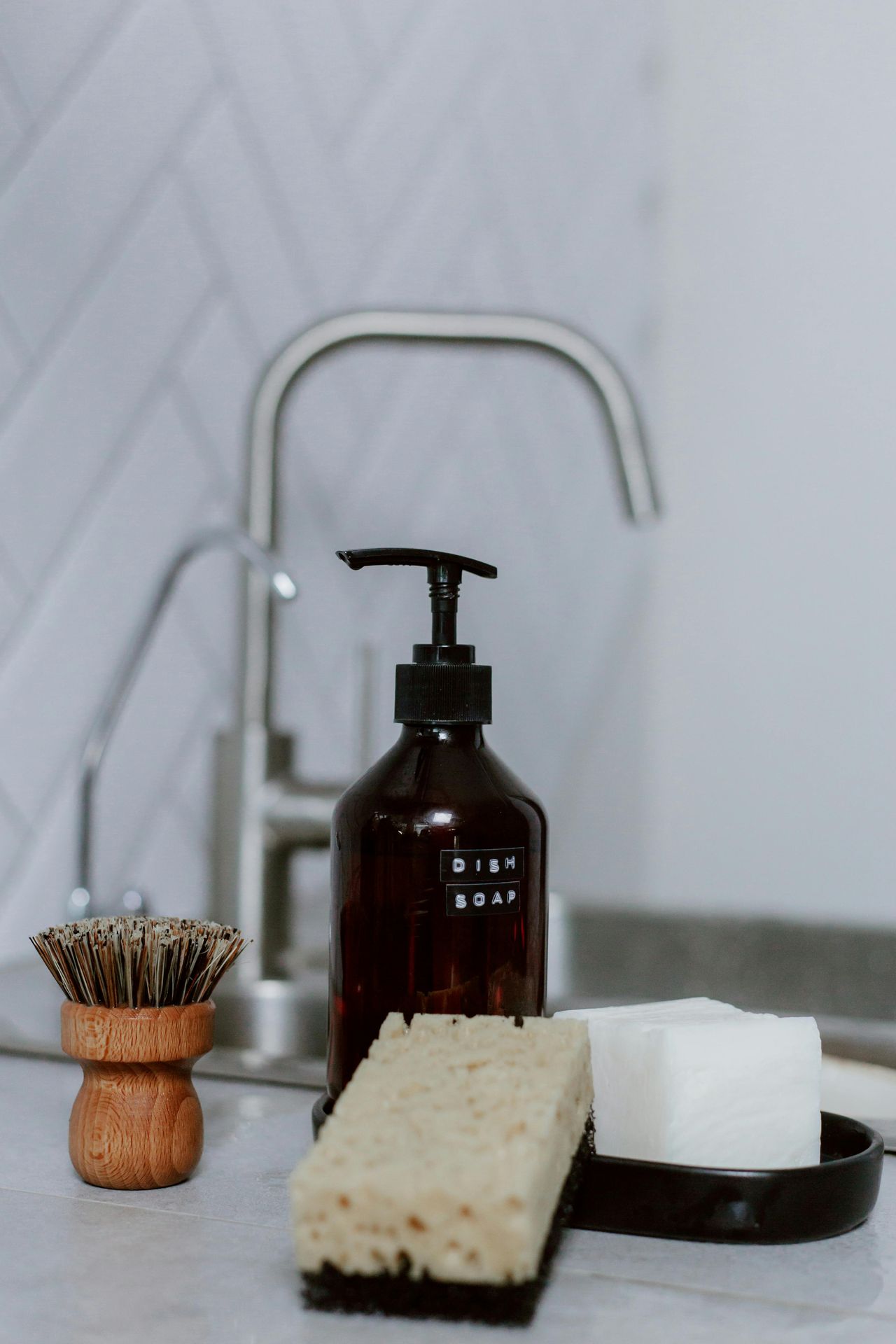
Dish soap and general cleaning supplies are often purchased together during a large Walmart trip because they cover multiple daily tasks without much spoilage risk. Dish soap, disinfecting wipes, all-purpose spray, bathroom cleaner, sponges, and trash bags may not be exciting items, but they are central to keeping a home running. For annual shoppers, these are practical buys with few downsides.
The appeal is partly about reducing interruption. Households can often manage for a day or two without a specialty ingredient, but running out of dish soap or trash bags can affect the entire kitchen almost immediately. That is why these products tend to move from casual purchase to stock-up priority. They solve repetitive problems before they happen.
Cleaning categories have also become more value-sensitive for consumers in recent years. Shoppers often compare concentrated formulas, refill sizes, and multipacks to figure out which options will last longest. Walmart’s broad inventory can help on that front, especially for people trying to buy all core household goods in a single stop rather than splitting trips across several stores.
As part of a yearly haul, cleaning supplies offer something simple but important: predictability. They do not add excitement to the cart, but they protect against future inconvenience. In a household budget, that kind of reliability often matters more than novelty.
Shampoo, soap, and toothpaste

Personal care basics often make the annual Walmart haul because they are products everyone needs, they store easily, and they are usually available in multipacks or family-size formats. Shampoo, bar soap, body wash, toothpaste, and deodorant are the kinds of items shoppers may postpone replacing until they are nearly gone. A stock-up trip helps avoid that cycle.
There is also a clear budgeting logic behind buying these products all at once. Households can compare unit prices and pick familiar brands without having to grab emergency replacements at a convenience store or make an extra trip later. In many cases, Walmart’s scale and shelf space give shoppers more room to compare formulas, scent-free options, and value sizes in one place.
For families, these items can disappear faster than expected, especially when multiple people use the same products. Keeping a backup supply under the sink or in a linen closet reduces friction and can help spread expenses more evenly across the year. That matters most for households that prefer fewer shopping trips and tighter planning.
These products rarely drive headlines, but they drive routines. If an annual Walmart haul is about locking in the essentials, personal care items clearly qualify. They are used every day, hard to skip, and easier to manage when bought ahead.
Over-the-counter medicine and first aid basics

Many annual-haul shoppers say they never skip over-the-counter medicine and first aid supplies because these are products people often need at inconvenient times. Pain relievers, allergy medicine, cold remedies, bandages, antiseptic cream, and thermometer batteries usually matter most when a store trip is the last thing someone wants to make. Buying ahead is a preparedness move as much as a budgeting one.
These purchases also tend to be practical because they have a clear place in most homes. A basic medicine cabinet can cover headaches, minor cuts, seasonal allergies, and common illnesses without requiring an urgent late-night run. Shoppers usually check expiration dates, replace depleted products, and make sure a few standard items are available before they are needed.
At Walmart, this section often attracts careful comparison shopping because customers weigh price, active ingredients, and package size. Store-brand medications can be especially appealing when consumers see the same active ingredients listed at a lower cost than national brands. That kind of label reading has become more common among budget-conscious households.
Medicine and first aid products do not get used on a fixed schedule, which is exactly why they matter in a yearly haul. They are insurance against small household emergencies. For many shoppers, that makes them too important to leave off the list.
Freezer staples and batteries

Freezer staples and batteries round out many annual Walmart hauls because both categories solve everyday problems in simple ways. Frozen vegetables, chicken nuggets, fries, breakfast items, and other long-lasting freezer foods can serve as backup meals when schedules get hectic. Batteries, meanwhile, support remote controls, flashlights, toys, smoke alarms, and small electronics that people tend to forget about until power runs out.
The common thread is convenience. Freezer foods are not always the cheapest item in the store, but they can prevent more expensive takeout spending on busy nights. Batteries are similar in a different way. They sit unused until suddenly they are essential, whether for a weather radio, a child’s toy, or a household safety device.
These are also categories where shoppers often think seasonally. A family might stock more frozen foods before the school year, or pick up batteries before winter weather, storm season, or holiday toy-buying. Walmart’s broad inventory makes it easier to fold those needs into one larger purchase rather than leaving them for separate trips later.
For a shopper making one big annual run, ending with freezer staples and batteries makes sense. Both are practical, easy to overlook, and frustrating to run out of. That is usually the test for a never-skip item: if life gets harder without it, it belongs in the cart.