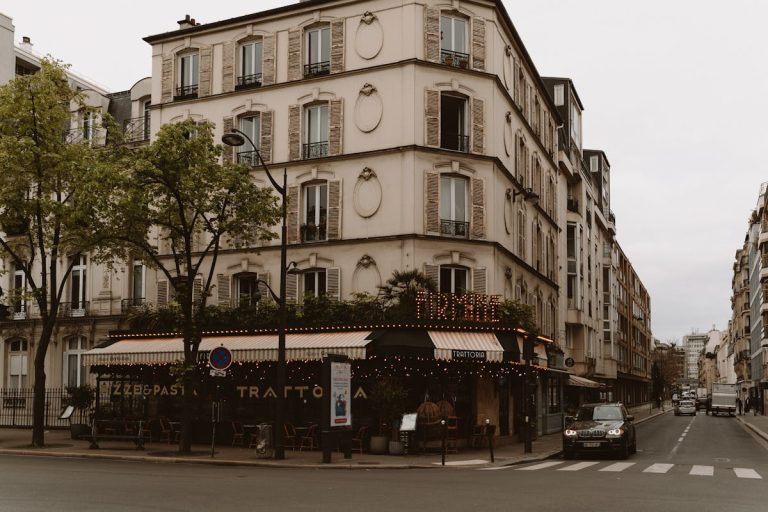
10 Destinations Where Fall Is Better Than Summer
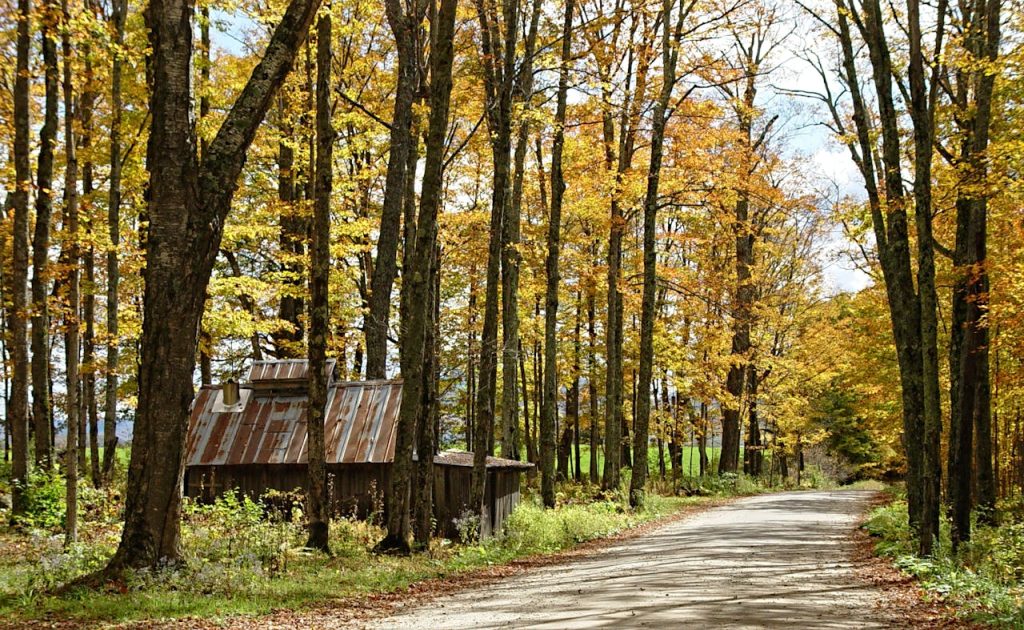
Some places feel overexposed in summer, like they are performing for a crowd. Fall changes the contract. Heat loosens its grip, sidewalks clear, and the light turns kinder, making it easier to linger instead of rushing. Crowds thin, prices ease, and even locals seem more relaxed. Harvest season upgrades the table, from vineyard lunches to market produce and bakery shelves that match the weather. In the right destinations, autumn is not the off-season. It is when the setting, the pace, and the mood finally align.
Vermont And New Hampshire’s White Mountains
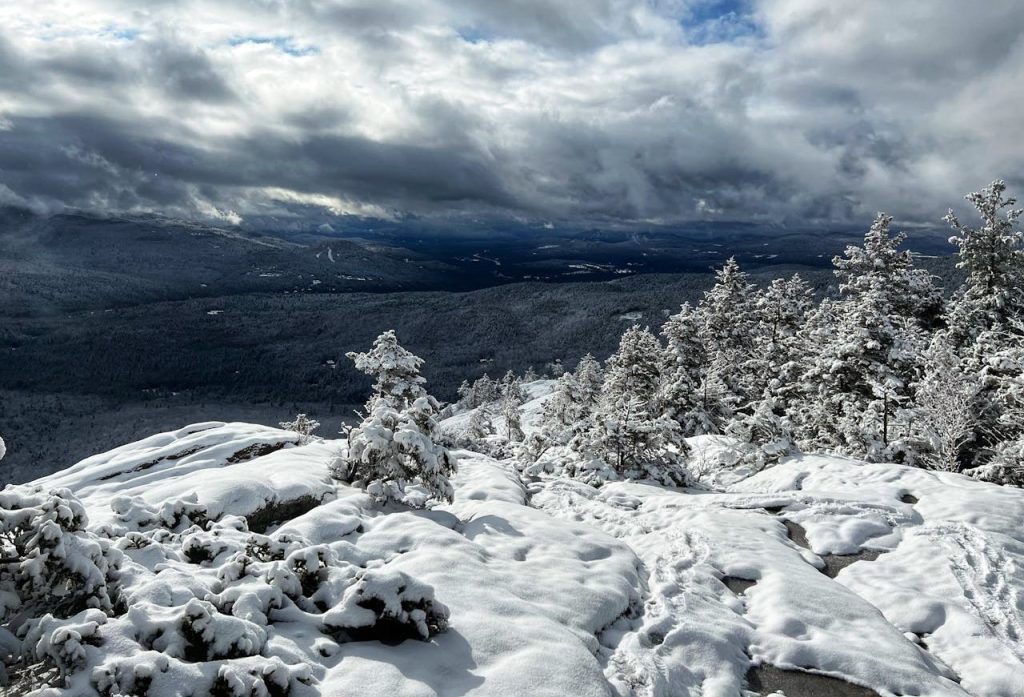
In late Sept. and early Oct., the White Mountains and Vermont’s back roads trade summer traffic for crisp air and clear views, and the forests light up along routes like the Kancamagus Highway and Smugglers’ Notch, especially after a cool night. Cooler temps make hikes steadier, the bugs fade out, and scenic stops stop feeling like a contest for space once the weekday calm returns and the roads quiet down. Farm stands, cider mills, covered bridges, and small inns lean into the season, so the best plan is simple: book early for peak weekends, pack layers, start before the parking fills, and let the color set the pace.
Kyoto, Japan
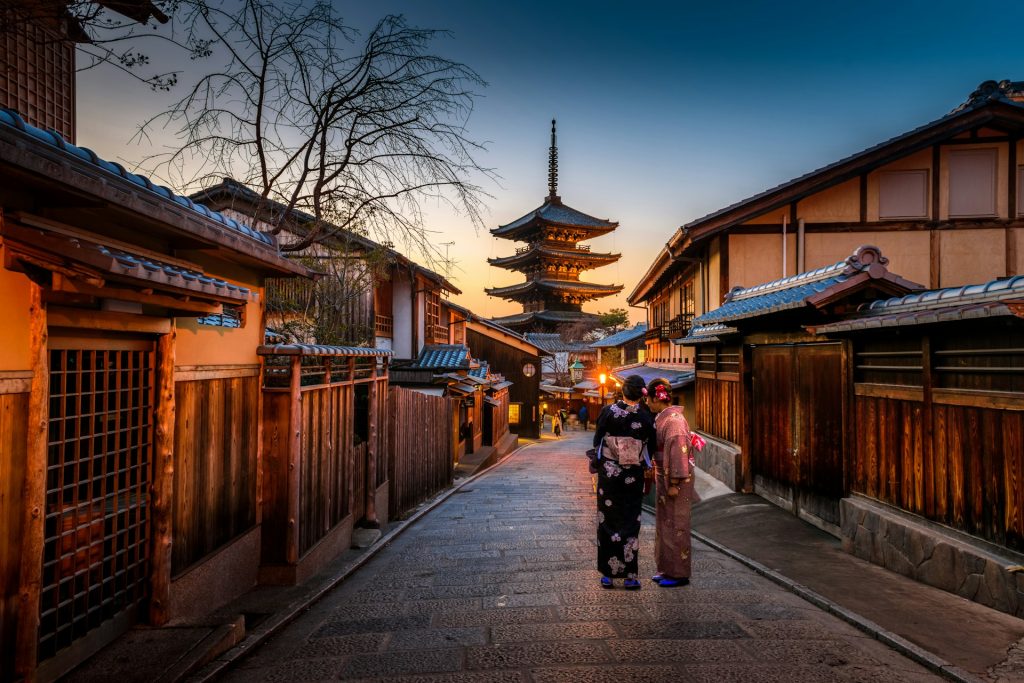
Kyoto’s summer humidity can sap the pleasure from temple hopping, but fall brings cooler, drier days and a city that feels made for walking, from quiet lanes in Higashiyama to river paths near Gion. Mid- to late Nov. often delivers the richest foliage, with maples around Eikan-do and Kiyomizu-dera shifting into deep reds and golds, plus evening illuminations that soften the scene after dark. With shorter lines and seasonal sweets in the mix, famous streets feel less staged, leaving time for Nishiki Market snacks, a slow Philosopher’s Path stroll, and small shrines tucked off main roads at dusk.
Quebec City, Canada
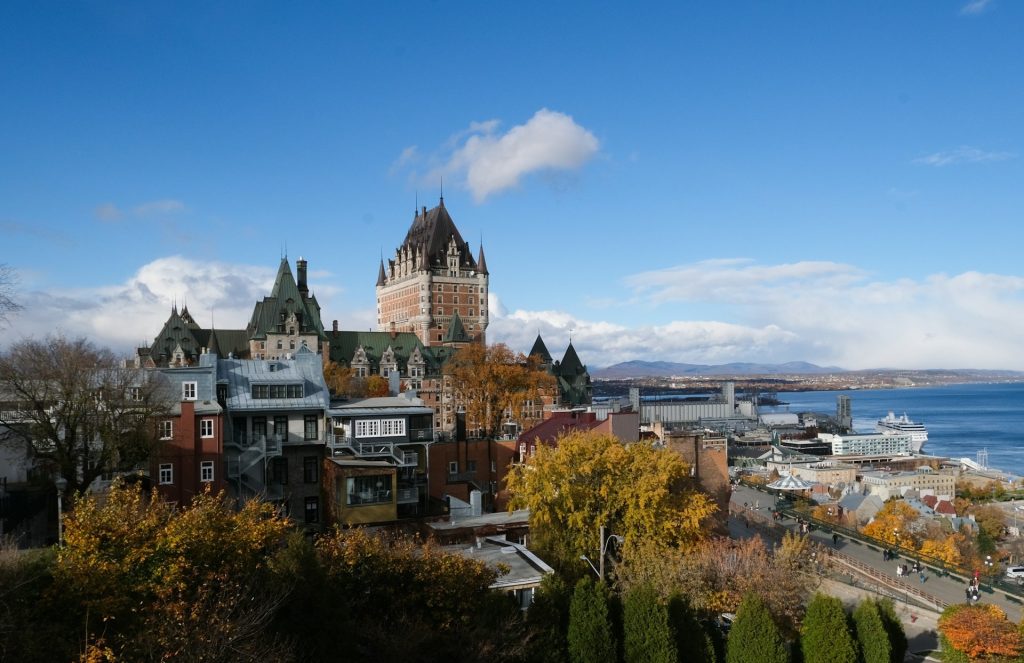
Quebec City’s stone streets and river views suit fall’s clean air better than summer’s heat and festival pressure, when sidewalks can feel tight and constant and dinner plans can turn into a puzzle. In Oct., the St. Lawrence turns sharp and bright, nearby drives through Île d’Orléans and Charlevoix pick up color, and orchard stops offer apples, cider, and warm pastries that match the weather and reward casual detours. Restaurants pivot toward comfort dishes, museums feel unrushed, and evening walks from Petit-Champlain to Dufferin Terrace stay comfortable long after the lights come on, with the river below and streetlamps reflecting on wet cobblestones.
Napa And Sonoma, California
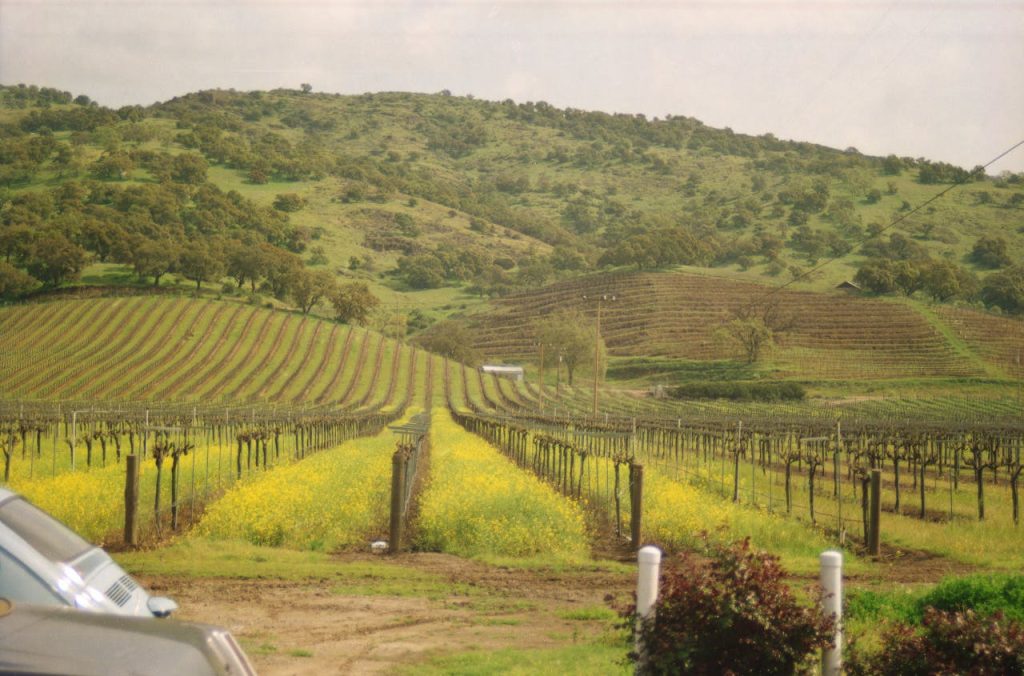
Napa and Sonoma hit their stride in fall, when harvest brings energy with purpose and the valley feels focused rather than crowded, especially outside Saturday afternoons. Vineyards shift toward gold, cellar work adds a low buzz to the countryside, and the day-night temperature swing makes tastings, bike rides, and long lunches easier than in July, with cool evenings that invite a second glass. Reservations still matter, but the pace loosens enough for farmers markets and slow back-road drives, and many wineries have time for vineyard walks, quieter patios, and thoughtful pours that feel less like a conveyor belt.
Santa Fe, New Mexico
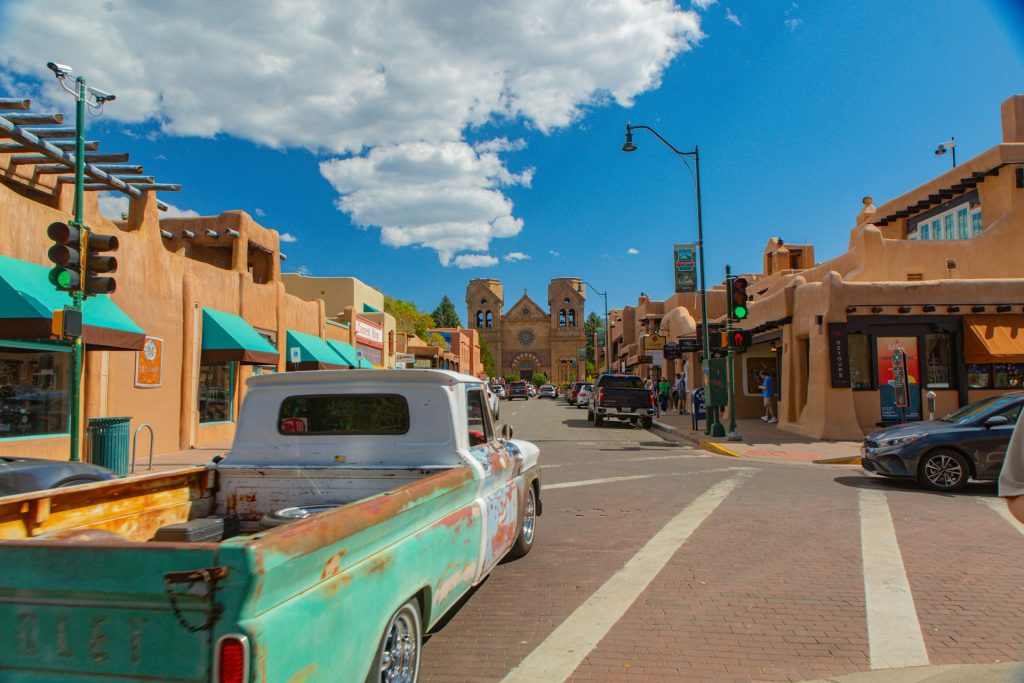
Santa Fe keeps its desert brightness in fall, but the sharper summer heat backs off, so the Plaza, Canyon Road galleries, and nearby trails feel comfortable for long afternoons, with skies that stay big and clear. Aspen groves in the Sangre de Cristo Mountains turn yellow-gold, and day trips to Taos or Bandelier land better when the air is cool, the light lingers into early evening, and the scenery does not shimmer with heat. Food traditions fit the season, too, with roasted chile and warming stews showing up as nights turn brisk, while courtyards and patios become places to linger, talk, and browse art without rushing back indoors.
Charleston, South Carolina
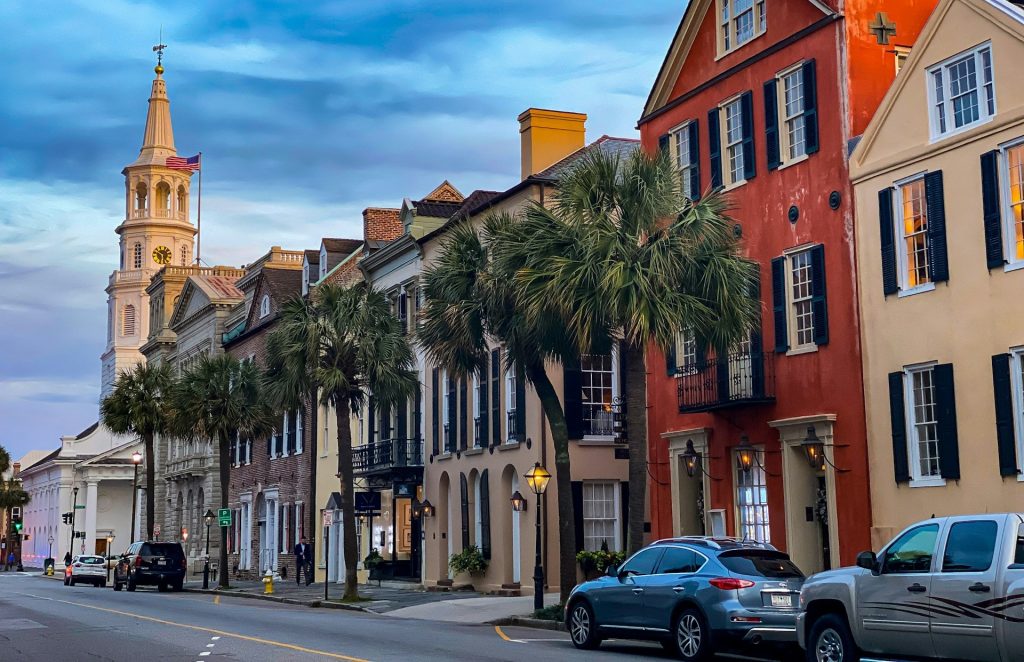
Charleston’s summer humidity can make the city feel heavy, but early fall keeps the warmth while dropping the worst of the stickiness, so walking the Historic District stops feeling like a workout. Sept. and Oct. bring a calmer rhythm to the Battery and Rainbow Row, with shorter waits for restaurants and tours, and better timing for gardens, markets, and harbor views when the light turns honeyed. Beach days still work on Sullivan’s Island or Folly with softer sun and more elbow room, and porch dinners feel easy again when breezes finally show up and oyster season edges closer on the menus, too.
Edinburgh And The Scottish Highlands
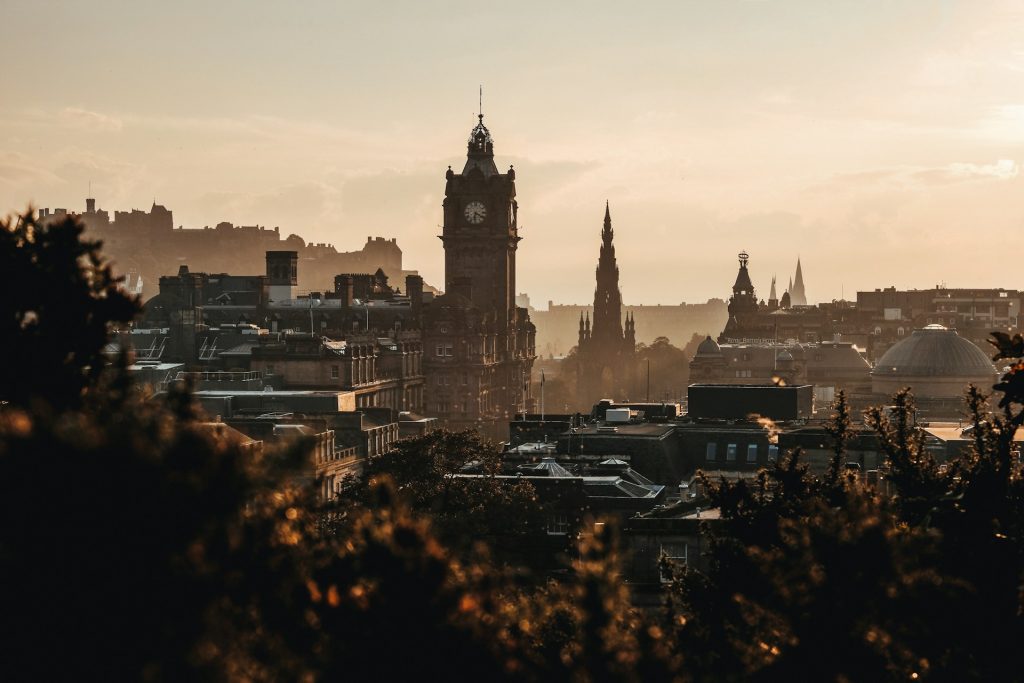
Edinburgh in August can feel packed edge to edge, but fall restores space, and the city’s stone lanes look their best under cooler skies and angled light, when the air turns crisp and the views sharpen. Arthur’s Seat hikes feel steadier, pubs feel naturally welcoming, and day trips toward Glencoe or the Cairngorms bring copper hillsides, misty mornings, and fewer midges than summer, plus quieter roads that invite unplanned stops. Shorter days encourage earlier starts and slower evenings, which fits castle visits, museum afternoons, and long dinners, without the festival crush and with more room to breathe in the Old Town.
Patagonia, Chile And Argentina
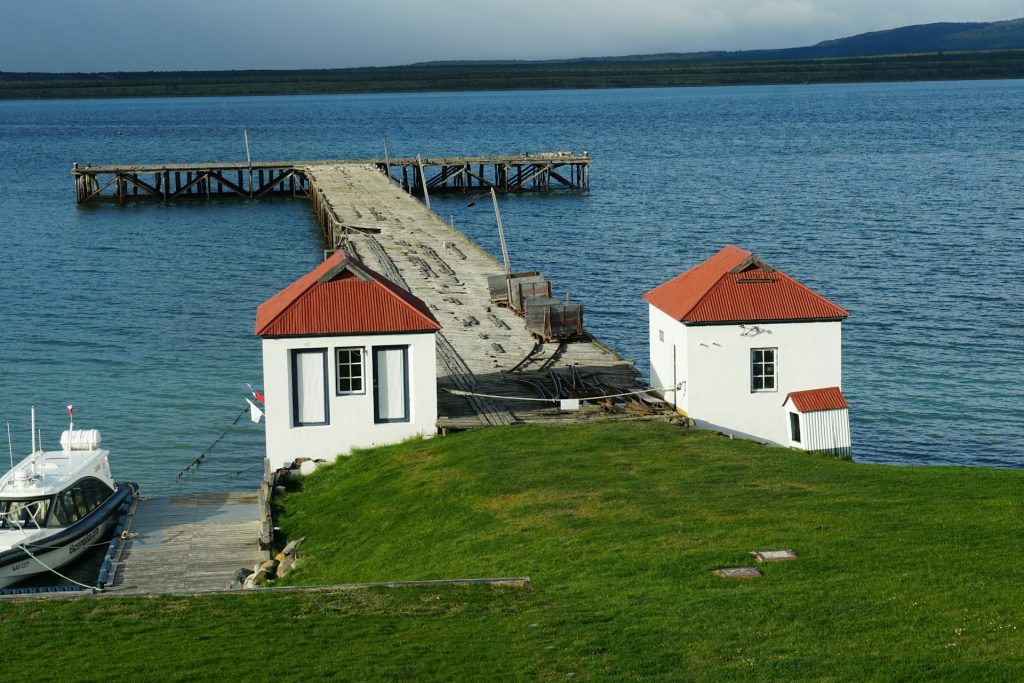
Patagonia’s summer popularity funnels hikers into the same famous routes, while fall, often April and May, thins the crowd and shifts the landscape as lenga forests turn red and gold and the air grows sharper. Around Torres del Paine and El Chaltén, many services still run, but trails feel quieter, winds can be calmer, and viewpoints stop feeling like timed appointments, so photos and pauses happen on a natural schedule. Nights get colder and weather stays changeable, yet the shoulder season can reward travelers with better availability, smoother logistics, and a steadier sense of place than the peak months allow.
Iceland
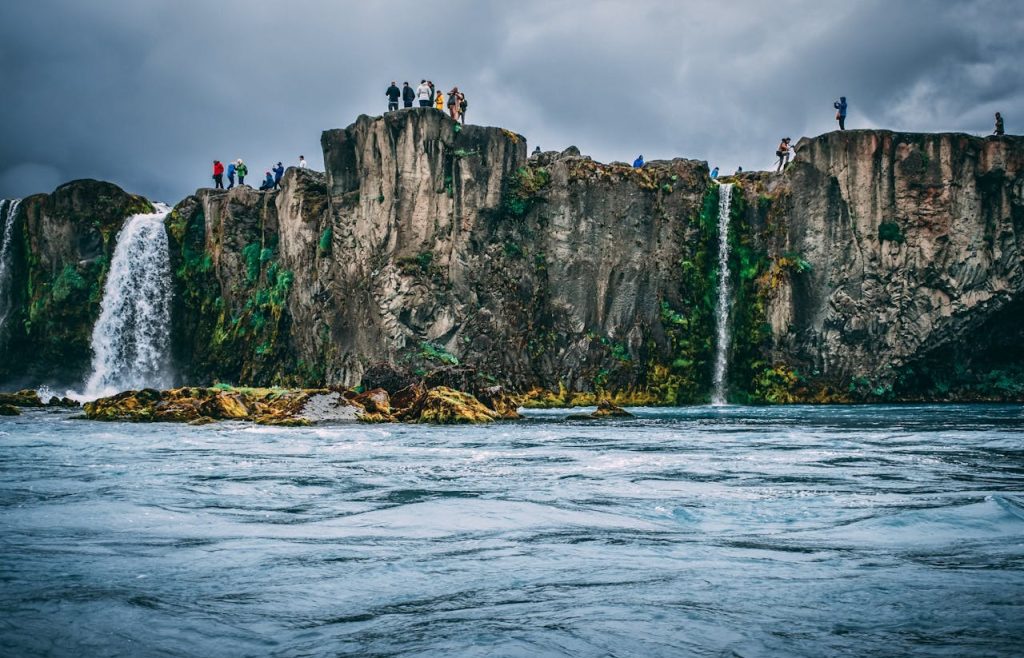
Iceland’s summer crowds cluster around the same stops on the Ring Road, but fall, especially Sept. and Oct., gives those places breathing room and brings back darkness in a useful way, while many roads remain open. With routes often still workable, lava fields and mossy ground shift into rust and gold, waterfalls stay strong after late-summer rain, and longer nights improve the odds of seeing the aurora compared with June. Hot springs feel better when the air is cold, lodging can be easier to book, and tours still run, just at a pace that feels less hurried, leaving more quiet moments between the big sights.
Rome, Italy
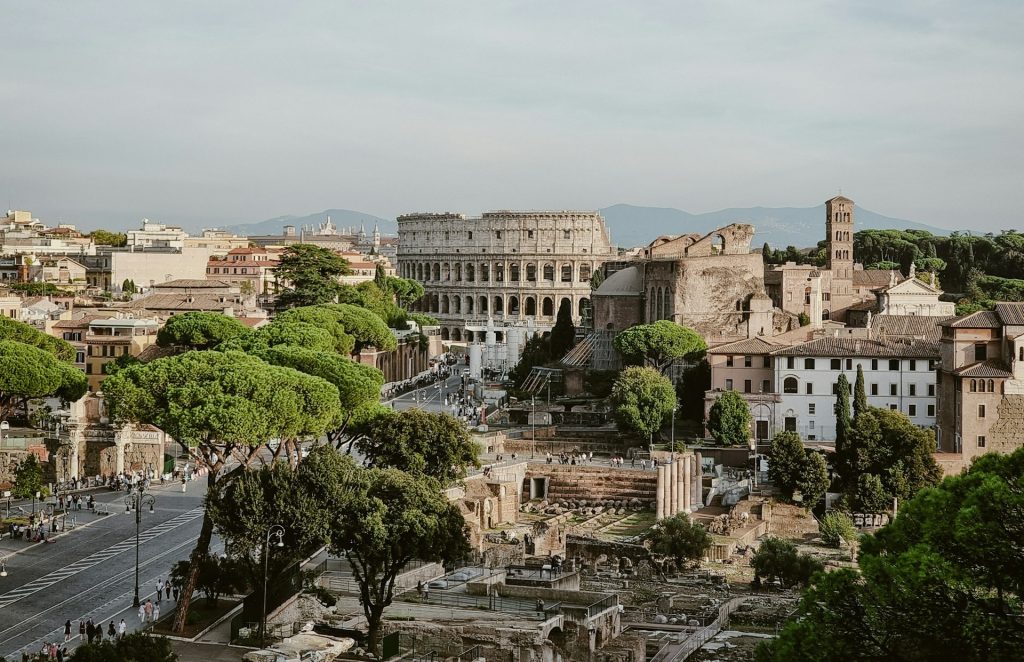
Rome in summer can feel like a test of patience, with heat and long lines squeezing the city’s best moments into narrow time windows and turning midday into something to avoid. Fall, especially Oct. and Nov., brings softer temperatures, so walks between the Forum, Trastevere, and the Jewish Ghetto become comfortable, and even the Vatican area feels less punishing in midday light and more inviting for lingering. Museums and ruins stay busy, but the pressure drops, seasonal menus tilt toward porcini and chestnuts, and day trips to Tivoli or Ostia Antica land better when the city’s golden hour lasts long enough for an unhurried finish.
.