8 Major Airport Drug Busts That Went Down in History
Airports have long been one of the biggest choke points in the global drug trade. That is exactly why some of the most famous narcotics seizures in history happened on the way in or out of major terminals.
These cases span decades, continents, and every kind of smuggling method imaginable. Together, they show how traffickers used commercial travel, and how customs, police, and border agencies adapted in response.
Bangkok’s 2007 Crystal Meth Seizure Exposed a Regional Air Route
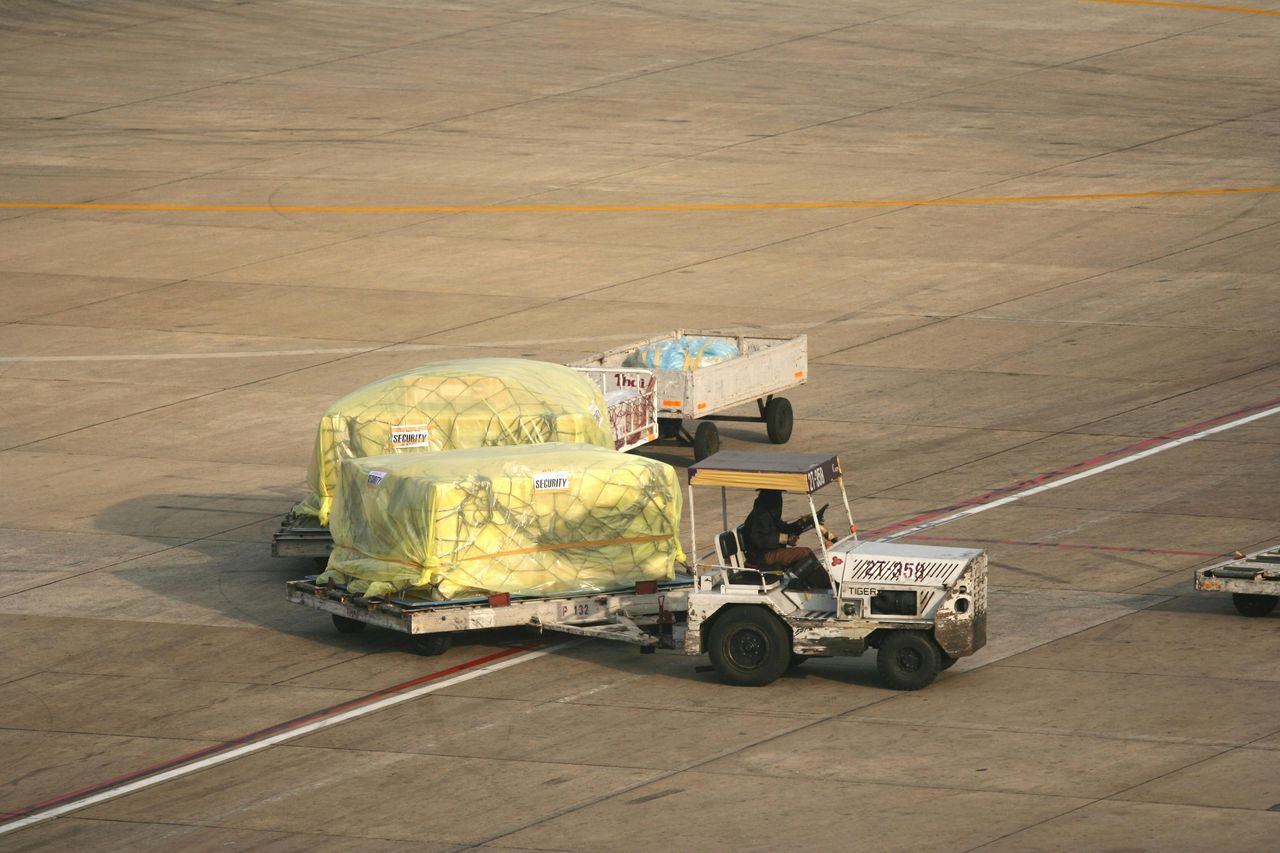
In June 2007, Thai authorities announced one of the country’s biggest airport narcotics seizures after intercepting a shipment of crystal methamphetamine, also known locally as ya ice, at Bangkok’s international airport. Officials said the haul weighed about 364 kilograms, a massive amount by air trafficking standards, and was linked to a transnational smuggling network operating across Asia.
Investigators said the drugs had been concealed in cargo moving through the airport system, not simply carried by an individual passenger. That detail mattered. It highlighted how traffickers increasingly relied on freight channels and forged paperwork rather than risking only hand-carried luggage.
Thai officials at the time said the seizure reflected growing concern about meth routes connecting Myanmar, Thailand, and wider regional markets. Law enforcement agencies in Southeast Asia had already been warning that airports were becoming critical transfer points for high-value synthetic drugs because of their speed and reach.
The case pushed renewed attention onto cargo inspection technology and intelligence sharing. It also underscored a truth that still applies today: when drugs move by air, even a single successful interdiction can disrupt a much larger network far beyond one terminal.
JFK’s 1994 Cocaine Bust Put Corrupt Insiders in the Spotlight
In 1994, federal agents in New York uncovered a major cocaine smuggling operation tied to John F. Kennedy International Airport, one of the busiest air gateways in the United States. The investigation revealed that corrupt airport workers and handlers had allegedly helped move large quantities of cocaine through cargo areas, bypassing normal checks.
What made the case especially important was not just the volume, but the access. Authorities said insiders with security badges and knowledge of airport routines gave traffickers a major advantage. The bust became a vivid example of how drug smuggling at airports often depends as much on compromised personnel as on hidden compartments.
At the time, law enforcement officials described the operation as sophisticated and difficult to detect because it blended into normal freight activity. Federal investigators moved in after surveillance, informant information, and broader anti-smuggling efforts began to connect suspicious shipments and employee behavior.
The fallout reached beyond arrests. The case helped drive tighter credentialing, more oversight of air cargo workers, and stronger internal anti-corruption efforts at major US airports. For American travelers, it was a reminder that airport security is not just about passengers. It is also about the people and systems behind the scenes.
Sydney’s 2007 MDMA Haul Marked One of Australia’s Biggest Airport Seizures
Australian authorities made headlines in 2007 after seizing roughly 4.4 tons of MDMA precursor and ecstasy-related material in an operation tied to Sydney Airport and surrounding freight channels. The broader investigation, carried out by the Australian Federal Police and customs officials, was one of the country’s most significant anti-drug operations of that period.
Officials said the case involved organized crime figures and international supply chains, with chemicals and synthetic drug components moving through legitimate-looking imports. Rather than a single suitcase seizure, it was a large, layered operation that showed how airport-linked investigations often stretch into warehouses, shipping firms, and distribution networks far from the terminal itself.
Australian authorities stressed the public health stakes as well as the criminal ones. Synthetic drugs were a growing concern, particularly among younger users, and the case drew national attention because the scale suggested an industrial pipeline rather than street-level trafficking.
The investigation reinforced Australia’s reputation for aggressive border enforcement and intelligence-led customs work. It also showed that airports can be central nodes in cases that are much larger than anything visible at the baggage carousel, especially when traffickers exploit air freight to move high-value chemical products quickly.
Madrid’s 2006 “Liquid Cocaine” Case Showed Smugglers Were Getting Creative

Spanish police and customs officials in 2006 reported a major airport-linked drug case involving cocaine dissolved into liquid form, a method designed to evade conventional detection. Authorities said traffickers had hidden the substance inside bottles and other containers passing through Madrid-Barajas Airport, one of Europe’s busiest hubs.
The technique was not entirely new, but the case drew broad notice because of the sophistication involved. Liquid cocaine requires later chemical extraction, making it harder to identify than powdered narcotics during routine inspections unless authorities have strong intelligence or specialized testing.
Investigators said the seizure was tied to Latin American trafficking routes feeding European demand. Airports in Spain had long been under pressure because of the country’s geographic position and strong flight connections to South America, making Madrid a key point of interest for anti-narcotics units.
For airport enforcement teams, the case became a textbook example of adaptation on both sides. Smugglers changed form and concealment methods, and authorities responded with better screening, chemical analysis, and profiling. It was one more sign that airport drug busts are often battles of innovation as much as enforcement.
Mexico City’s 2007 Ephedrine Bust Highlighted the Meth Precursor Trade
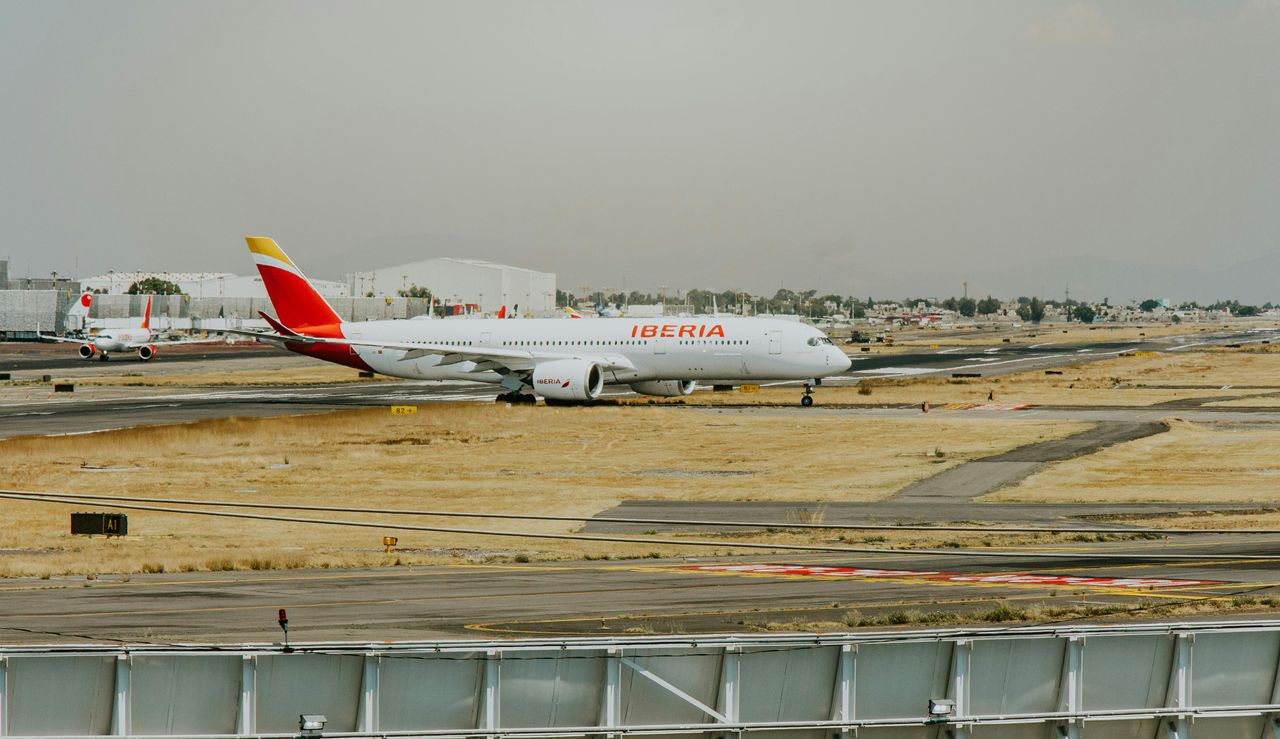
In 2007, Mexican authorities seized about 19 tons of pseudoephedrine at Mexico City International Airport in a case that drew international attention because of the scale and the substance involved. Unlike cocaine or heroin, pseudoephedrine is a precursor chemical commonly associated with methamphetamine production, making it a major target for anti-narcotics enforcement.
Officials said the shipment had arrived from Asia and was falsely declared, a pattern that reflected growing concern at the time over precursor chemicals entering Mexico for use by criminal organizations. The seizure was considered one of the largest of its kind in the country and pointed to the industrial side of the meth trade rather than retail-level trafficking.
The case mattered deeply to US readers because meth production and distribution were already major cross-border law enforcement concerns. American and Mexican agencies had been increasing cooperation as supply chains for precursor chemicals became more global and more difficult to trace.
The bust also showed that an airport drug seizure does not always involve finished narcotics. Sometimes the bigger story is what could have been produced later. In this case, authorities saw the shipment as a direct strike against future meth manufacturing capacity tied to organized crime.
Amsterdam Schiphol’s Repeated Cocaine Seizures Made It a European Flashpoint
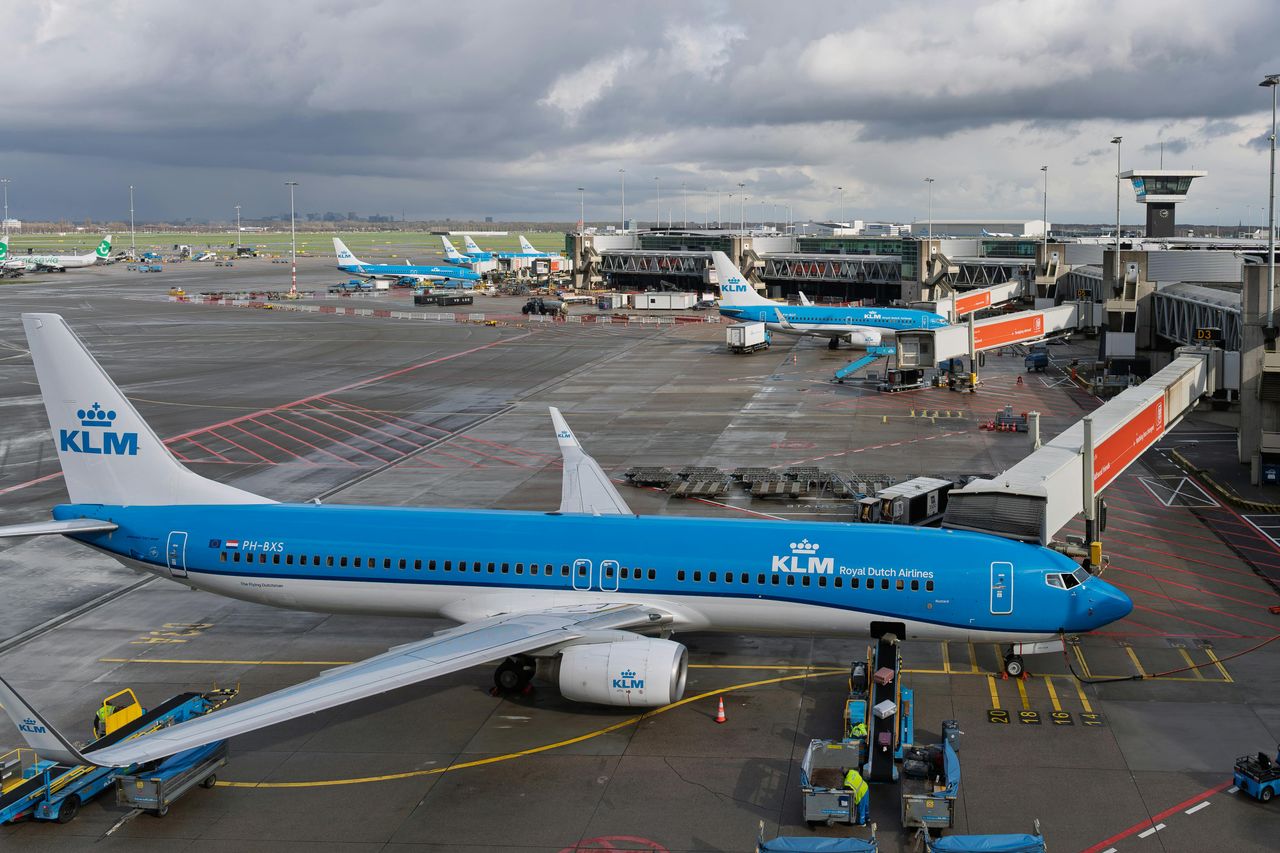
Amsterdam Airport Schiphol has been the site of many large cocaine busts over the years, but one of the most notable patterns emerged in the early 2000s, when Dutch authorities were repeatedly intercepting drug couriers arriving from the Caribbean and South America. Some individual seizures involved dozens of so-called body packers on a single day, carrying cocaine internally or in luggage.
Dutch officials responded with an increasingly hard line as passenger-based smuggling surged on routes tied to the Netherlands Antilles, Suriname, and Latin America. Authorities reported that the scale of the problem had become so significant that Schiphol was treated as a major frontline in Europe’s anti-cocaine effort.
What made Schiphol historically important was the volume and regularity, not just one headline case. The airport became synonymous with the body-packer phenomenon, where smugglers swallowed pellets or hid narcotics on their bodies in hopes of slipping through busy international arrivals.
The response helped shape European airport enforcement practices. More targeted screening, medical supervision for suspected internal carriers, and route-based intelligence became standard tools. Schiphol’s experience showed how quickly a major global hub can become a pressure point when trafficking organizations identify a reliable passenger corridor.
Dubai’s 2019 Airport Heroin Seizure Reflected the Gulf’s Transit Risk
In 2019, Dubai authorities announced a major heroin seizure tied to airport transit operations, part of a broader pattern of high-profile narcotics interceptions in the United Arab Emirates. Officials regularly describe the country as a target for traffickers because of its position as a major international air hub linking Asia, Africa, Europe, and the Middle East.
The seizure stood out because of where Dubai sits in the global network. Huge passenger and cargo volumes create opportunity for legitimate travel and trade, but also for criminal concealment. Authorities said traffickers had attempted to exploit the airport’s scale and connectivity, a challenge familiar to customs agencies worldwide.
Dubai Police and customs officials have often publicized such cases to emphasize deterrence, pointing to advanced scanning systems, intelligence work, and joint enforcement teams. In this case, officials said the heroin haul had been intercepted before it could move onward, underscoring the airport’s role as both gateway and defensive barrier.
For global aviation security, Dubai’s repeated interdictions matter because they reflect a modern reality. The busiest transfer airports are not just local entry points. They are international crossroads where a seizure can interrupt routes stretching across several continents at once.
Toronto Pearson’s 2012 Cocaine Bust Revealed How Ordinary Luggage Can Carry Massive Risk
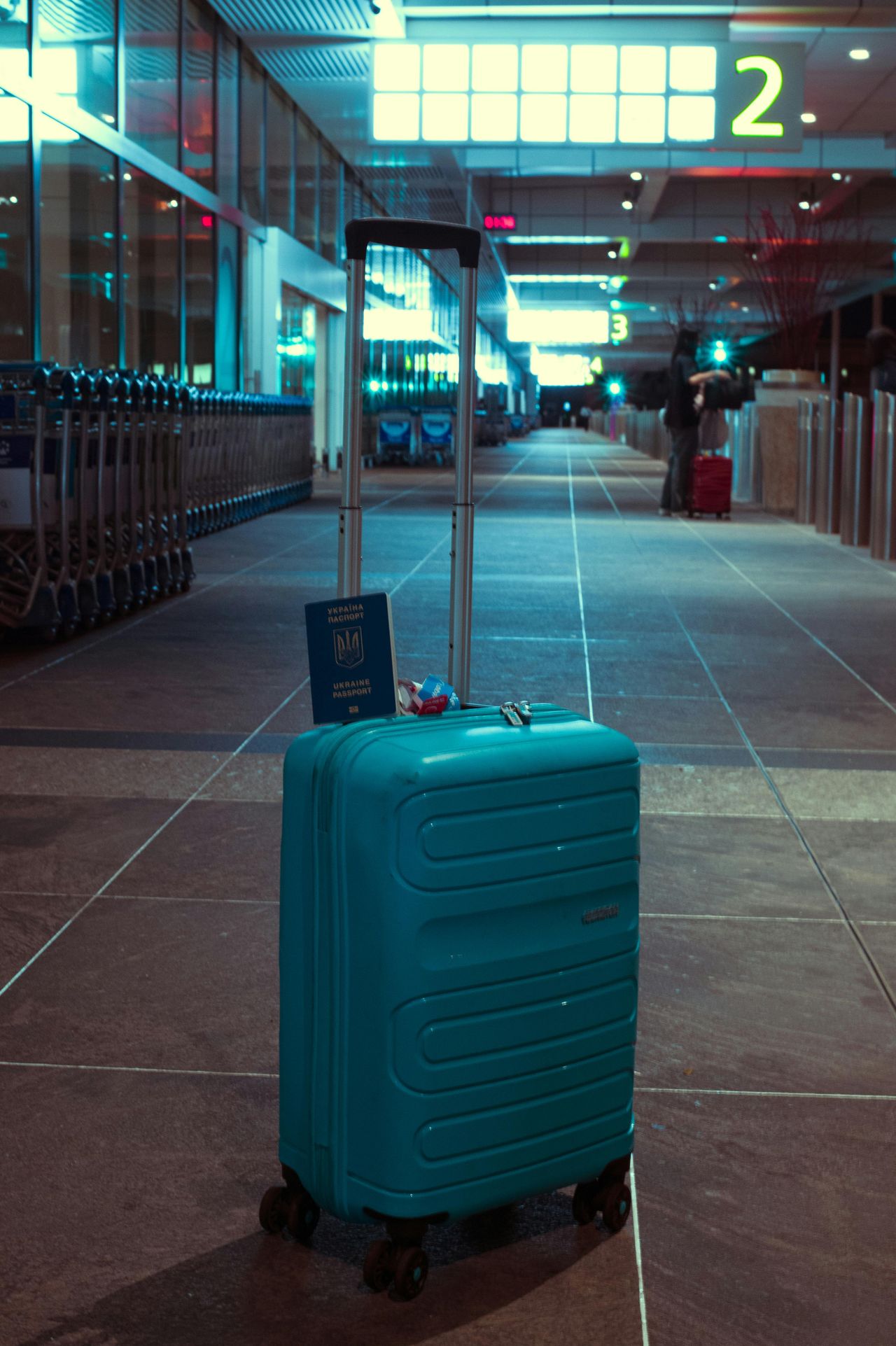
In 2012, Canadian border officials at Toronto Pearson International Airport announced a major cocaine seizure after drugs were found concealed in luggage arriving on an international flight. While not the largest airport bust ever recorded globally, the case drew wide attention because of the quantity involved and the straightforward method used.
Authorities said the narcotics had been packed into seemingly ordinary baggage, a reminder that old-school smuggling techniques still work often enough to remain in use. That is part of what makes airport drug enforcement so difficult. Not every major bust involves advanced chemistry or insider corruption. Sometimes it is hidden in plain sight.
Canadian officials used the case to stress the importance of intelligence-led inspections rather than relying only on random searches. Border officers often combine travel patterns, declarations, behavioral cues, and scanner results to decide which bags or passengers need closer scrutiny.
For the traveling public, Toronto Pearson’s case was relatable because it unfolded in one of North America’s most familiar airport environments. It showed that major drug seizures are not limited to distant cartel stories or exotic routes. They can happen at the same terminals millions of ordinary passengers pass through every year.